Bold and unapologetic reproductive justice
where we work
We prioritize the Southern and Southeastern region because these areas face some of the most severe restrictions on abortion access in the country, often coupled with deep-rooted racial, economic, and healthcare inequities. The region also has a long history of underinvestment in reproductive health and targeted political attacks on bodily autonomy and reproductive freedom.
By centering our work here, we are supporting communities that are most impacted and least resourced, while building local power and strengthening the long-term infrastructure for reproductive justice.
what we do
Strengthen Access to Care
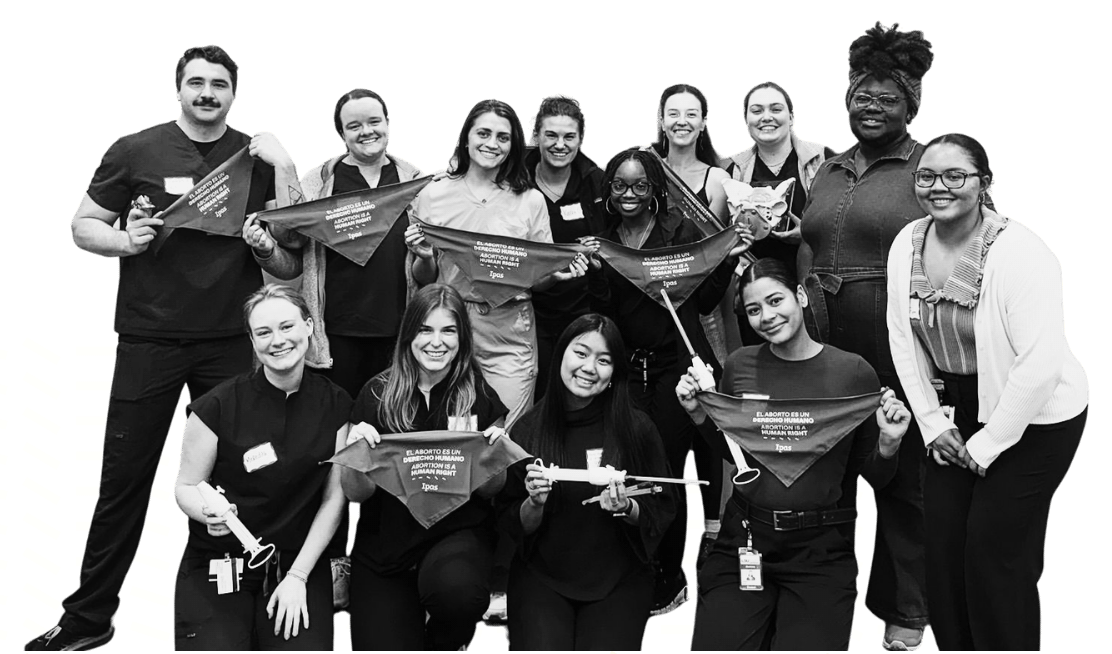
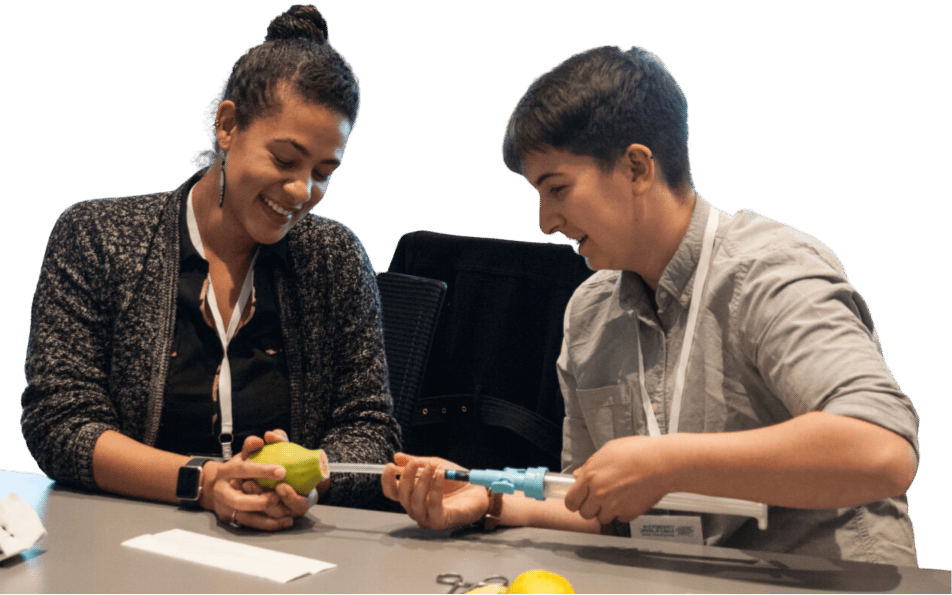
Training community, clinical providers, and future providers in Southern states.
Establishing the Doula Knowledge Council with abortion doulas throughout the Southeastern region.
Training community health workers and allied movement partners to reduce abortion stigma and strengthen abortion referral networks, beginning in the Rio Grande Valley, TX in 2026 and now expanding to other regions.
Advance Protective State & Local Policy
Leading human rights resolutions and other policy measures in Congress and at the state and local levels, creating new opportunities for local leaders to affirm abortion as a human right and translate those commitments into policy change.
Coordinating working groups of experts, researchers, and reproductive justice organizations in Southern states to document human rights violations, informing international and local advocacy efforts.
Centering local and state movement leadership in global advocacy spaces, bringing partners’ lived experience, expertise, and documented evidence directly to international human rights mechanisms to advocate for accountability.
Strengthen Local Network Capacity
Issuing mini grants for community education efforts and to strengthen community-rooted abortion access, as well as rapid response sub-grants for grassroots partners as needs emerge.
Providing information and practical support to abortion care community networks throughout the South and Southeast.
Creating safe, trusted spaces for community-rooted networks to convene in person, share best practices, and exchange resources. This includes bringing together cross-border networks through Green Wave gatherings and other convenings.
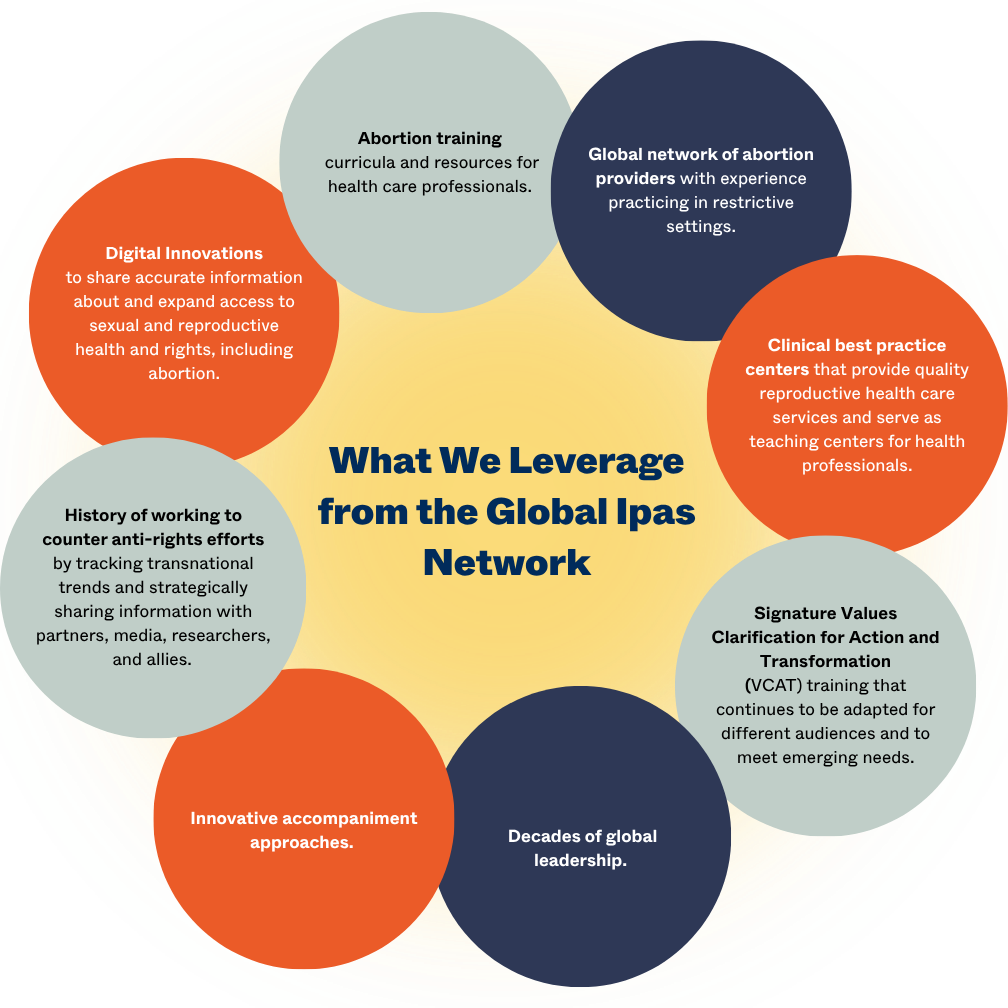
We based our work on the Ipas’s Feminist Principles for Partnership of:
- Shared Vision
- Intersectionality
- Feminist leadership
- Transformative practices
- Long-term and sustained partnerships
- Transparency and accountability
- Clear roles and expectations
We approach our partnerships by:

Investing in locally-led infrastructure

Connecting across states and borders

Elevating local leadership in national and global spaces

Ensuring local partners are resourced to participate safely and meaningfully